








A DREAM HOME TO HOLD TRUE
MOUNTAINOUS COUNTIES
COLORFUL CITIES
Explore the 24 counties of Western North Carolina (also known as WNC), covering the southern Blue Ridge Mountains located in the far west of North Carolina.

The most populous cities in these WNC mountains are: (1) Asheville in Buncombe County (2) Lenoir in Caldwell County (3) Boone in Watauga County (4) Morganton in Burke County (5) Hendersonville in Henderson County, and (6) Waynesville in Haywood County.
Beyond the larger population areas there are approximately 100 smaller cities, towns and villages worth experiencing.
NATURAL DIVERSITY
Everyone who comes to Western North Carolina discovers a region that holds many currents running at the same time. This area is a cacophony of modern excitement blended with southern mountain charm, a mix of the innovative with the time-proven. It's citified and country style, fast and slow, big and small, busy and productive, invigorating and relaxing.
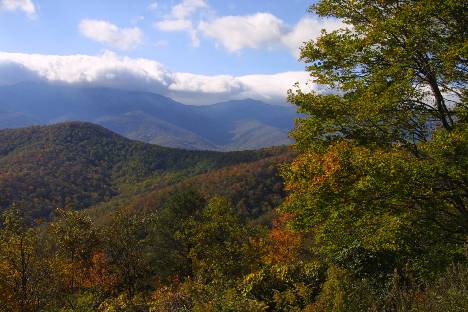
There is something indescribably beautiful about these ancient mountains, geographically among the oldest in the world. Their majesty and magnificence beckon wherever you look. Whether through quiet contemplation or active enjoyment, visiting and living in WNC is a memorable experience. There is much to uncover that can perfectly match one's lifestyle, rhythm and pace.

This region has some of the cleanest air, sparkling rivers and lakes in the country. It's recreational possibilities are legendary. Western North Carolina remains proudly American and supremely independent, where many support the "think locally, act globally" movement while others concentrate on preserving the ways of their elders.
HEARTFELT HUMANITY
Above all, Western North Carolina is real. It's a place that can be embraced and treasured. It is something tangible, close-up and approachable. At the same time, it offers an ethereal beauty and a quality some believe to be mystical, even spiritual. It's a place where a person can reinvent himself or herself many times over — "until by turning and turning," so the Shakers said, "we come out right."
It's a place for the young and young at heart, a unique environment where one can find the iconoclast sitting next to the staid, the newcomer talking with the old-timer.

Throughout WNC two important beliefs run true: the uniqueness of the individual is honored, while family and friends matter most. These two strong currents, sometimes flowing in the same direction, sometimes not — remain at the heart of why the area's loveliness can stay in one's mind forever. It's a place worth sharing and preserving.
Western North Carolina is an ideal environment to slow down and look around. Natural and man-made wonders await the newcomer. It also reminds the born-and-raised native why WNC remains so special, so wonderful, where time almost seems to stand still — because, maybe, sometimes "back to the future" makes more sense in these Carolina highlands.

As millions of visitors discover each year, WNC attractions are spectacular. Life here is layered complexity: from palatial, European-influenced grandeur of The Biltmore Estate to the local sensibilities of Earthaven Ecovillage; from the Blue Ridge Parkway to the North Carolina Arboretum; from the Cherokee Oconaluftee Indian Village to Grandfather Mountain.
The region enjoys four full seasons of the year, which are unexpectedly nuanced, distinct and cherished. For those who live in these mountains, river valleys and rolling hills, there is really no "best" season; each has its charm and character, much like the people here.
Be assured: in WNC there is a place for everyone. For those who love nature and respect community, it's a natural fit: from Lake Lure to Lenoir; from Murphy to Morganton; from Black Mountain to Beech Mountain; from Boone to Brevard to Bryson City; from Waynesville to Hendersonville to Asheville.
Many who are motivated to seek a better life ultimately find their own special place in Western North Carolina. Be it a small cottage in the forest or a magnificent family home on the edge of town. Or perhaps it's a farm with rolling meadows or a mountaintop retreat with a stunning vista. Each has its unique charm and desirable qualities to suit a variety of tastes and lifestyles.
Whether prospective real estate buyers know what they want and can afford it — or are specific budgets — every person can be certain "a just-right spot" awaits them in these lush, green, memorable mountains and valleys. And they can be certain it is something real, not imagined. Something to be valued and held close.
The elusive goal of a life well lived is a goal worth seeking, and something that can be explored and, once found, embraced with confidence and satisfaction in Western North Carolina.
OPPORTUNITY AND POSSIBILITIES
Western North Carolina is a large geographic area with those who have big aspirations. This high level of a variety of opportunities encourages individuals to seek and follow their vision. At the same time, they enjoy the riches that vibrant communities provide, and participate in helping them come together and flourish. WNC fosters an astounding variety of productive paths and doors. One needs only choose which door to open and path to follow.

There's no question this region welcomes new possibilities. For example, Asheville, the unofficial capital of WNC and sometimes called "The Paris of the South", has become the home of many craft breweries, established and start-ups, which WNC's largest city to be welcoming and supportive.
It only take a single day's drive through these mountains, hills and valleys, to consider its possibilities. Maybe that's why many who come to visit Western North Carolina end up staying to buy a house, create a business, build a future.
If the WNC region is anything, it is multi-faceted. It is a gift, a home, a launchpad. It is a place full of promise where people and organizations have space to breathe and room to grow. Western North Carolina is an ideal place to follow dreams and make them come true.

P.S. SOMETHING FOR YOU
We at WesternNorthCarolina.com invite you to discover the variety and value of Western North Carolina for yourself.
Perhaps you have a mountain homestead in your mind's eye. Maybe a vacation getaway for family and friends tugs at your heart.
Or maybe you simply have a desire for some land that might someday nestle the home of your dreams, surrounded by friendly neighbors and a supportive community. You are welcome here because, as the seal of Buncombe County says, we are always looking for "people to match our mountains."
If you would like to live in some of the finest natural scenery in the lower 48 states, enjoy colorful characters, friendly folks, great restaurants and a wide variety of cultural and outdoor activity, you will discover all that and more in the mountains of Western North Carolina.
— "A Dream Home to Hold True" written by Byron Belzak.
Photo Credits - Copyrights Held As Indicated Online:
1-Fall Foliage by City-Data.com
2-Armed Mugs by Americancraftweek.com
3-WNC Boating by Ashevilleguidebook.com
4-Blue Ridge Parkway by Wandrlymagazine.com
5-Summer Foliage by City-Data.com/forum
6 - Downtown Asheville Sunset by Bedbreakfastjournal.com
7 - Heartfelt Kiss by Zen Sutherland
WesternNorthCarolina.com is an informational and educational resource
owned and published by MediaBear, a division of Wenoca Real Estate, Inc.
While all efforts are made to present accurate and current information
the publisher does not assume responsibility or liability
for the information presented.
MEDIABEAR | Contact: 828-768-5600
P.O. Box 902, Skyland, NC 28776